
Coriander (also known as cilantro) is one of the most versatile herbs you can grow at home — adding fresh, zesty flavor to salsas, curries, salads, and sauces. But for many urban gardeners or patio growers, limited space can make traditional planting seem daunting. The good news? Coriander thrives in small containers, making it ideal for balconies, windowsills, and compact home gardens.
If you want step‑by‑step instructions on how to grow healthy, abundant coriander in small pots — from seed to harvest — this detailed Coriander Growing Guide will walk you through everything you need to know.
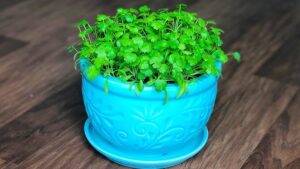
Why Grow Coriander at Home?
Growing your own coriander not only ensures you have the freshest leaves at your fingertips but also helps avoid the “quick bolt” problem that store‑bought cilantro often suffers from. When grown in pots with proper care, coriander can flourish beautifully, giving you a continuous supply of fragrant herbs throughout its growing season.
Whether you cook regularly or just enjoy fragrant herbs on your patio, coriander is a highly rewarding choice for small‑space gardening.
Choosing the Right Pots and Soil
The first step to success is selecting adequate containers and soil. Coriander grows best in:
-
Pots with good drainage to prevent root rot
-
Containers at least 8–10 inches deep
-
Rich, well‑draining soil with plenty of organic matter
Providing the right foundation helps your plants establish quickly, leading to healthier foliage and stronger flavor.
Lighting and Temperature
Coriander loves sunlight — aim for at least 5–6 hours of direct sun each day. If you’re gardening indoors, place your pots near a bright, south‑facing window or use supplemental grow lights to ensure strong growth.
Coriander prefers cool weather and tends to bolt (go to seed) quickly in intense heat, so monitoring temperature and shade throughout the day increases both plant longevity and leaf quality.
Watering and Feeding
Proper watering keeps your coriander growing strong:
-
Water when the top inch of soil feels dry
-
Avoid waterlogging — consistent moisture, not saturation
-
Feed lightly with a balanced, water‑soluble fertilizer every few weeks
Avoid overfeeding, as too much nitrogen can promote lush leaves at the expense of flavor and overall plant health.
For a detailed feeding schedule and exact watering recommendations tailored to small pots, check out the full Coriander Growing Guide.
Harvesting Tips
Harvest coriander leaves when they’re young and tender, snipping just above a set of leaves to encourage regrowth. You can harvest continuously by trimming outer stems while letting the center grow — this encourages a longer productive life.
If your plant starts forming flowers or seeds, don’t worry — coriander’s seeds become the spice (coriander seed) used in many cuisines, adding another valuable crop from the same plant!
Final Thoughts
Growing coriander in small pots is both practical and highly satisfying. With the right pot, soil, light, and watering routine, you can enjoy fresh herbs right outside your door — without needing a big garden.
For more detailed tips on timing, seeds, spacing, and seasonal care, be sure to explore this complete Coriander Growing Guide.