
Across the globe, hidden beneath tranquil surfaces, rivers and streams tell a story of disruption — but also one of remarkable recovery. Recent efforts to clear barriers from waterways have led to an inspiring environmental turnaround, reshaping freshwater ecosystems, reviving fish migration, and strengthening biodiversity.
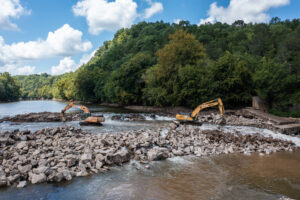
For decades, rivers were dotted with dams, culverts, and other man-made obstructions that blocked fish movement, altered water flow, and degraded habitats. Now, a growing global initiative is reversing that trend: more than 300,000 river obstacles have been removed or modified to help rivers flow more naturally again.
Why Barriers Hurt Rivers
Obstacles such as obsolete dams, concrete weirs, and undersized culverts may seem harmless, but they create major problems for aquatic life. Many fish species need to swim upstream to reach spawning grounds, complete their life cycles, and maintain healthy populations. When barriers block their path, fish can’t reproduce effectively, leading to population decline and weakened ecosystems.
A Worldwide Restore Effort
The recent surge in river restoration brings hope for rivers everywhere. From North America and Europe to Asia and beyond, communities and conservation groups are tearing down outdated dams and redesigning waterways to reconnect habitats. These endeavors are not just local wins — they reflect a global freshwater restoration movement that’s gaining momentum.
Removing obstacles benefits far more than fish. When rivers flow freely:
-
Sediment distribution improves, helping rebuild natural riverbeds
-
Water quality increases as stagnant pools disappear
-
Riparian habitats recover, benefiting birds, insects, and mammals
To learn more about this incredible global effort — how obstacles are being removed, why it matters for freshwater life, and what the future holds — check out this comprehensive River Restoration Success.
Real Impacts on Fish and Wildlife
One of the most visible changes from reconnecting waterways is the return of migratory fish species. Salmon, trout, shad, and other native fish are once again reaching their spawning grounds after decades of being cut off. This renewed fish migration improves not only aquatic populations but also supports local fishing communities and culturally important fish species.
Healthy rivers also provide better ecosystem services for people — from cleaner drinking water to improved flood regulation and increased recreational opportunities.
What You Can Do
Even if you don’t live near a major river, you can support freshwater health:
-
Volunteer with local watershed groups
-
Advocate for barrier removal in your community
-
Reduce pollution by minimizing runoff and using eco-friendly products
Every effort helps protect and restore freshwater systems that sustain us all.
For a deeper dive into the science and success stories behind reconnecting waterways and restoring river ecosystems, explore this eye-opening River Restoration Success.