
Growing your own chickpeas at home is easier than you might think — even if you only have a small patio, balcony, or windowsill. With just a garden pot and care, you can enjoy fresh, homegrown chickpeas that are nutritious, flavorful, and satisfying to harvest.
Whether you’re new to edible gardening or looking for creative container planting ideas, chickpeas make a wonderful addition. They don’t take up much space, are visually appealing as leafy plants, and — with the right setup — can produce a rewarding crop.
For a detailed, step-by-step guide on planting, tending, and harvesting chickpeas in containers, be sure to check out this helpful Chickpea Container Guide. It walks you through every stage with expert tips and practical advice.
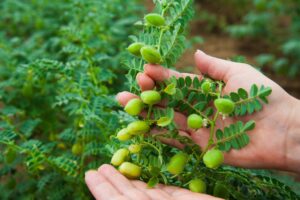
Choose the Right Pot and Soil
Successful chickpea growing starts with selecting an appropriate container and a quality soil mix:
-
Pot size: Use a container that’s at least 12–15 inches deep and wide — chickpea roots need room to develop.
-
Drainage: Make sure your pot has drainage holes so excess water can escape.
-
Soil: A loose, well-draining potting mix with added compost helps provide nutrients and moisture retention without becoming waterlogged.
This basic setup ensures your chickpeas have a healthy start and a stable growing environment.
Planting Chickpeas in Pots
Here’s how to get your chickpeas started:
-
Soak seeds overnight: This improves germination.
-
Plant seeds: Sow them about 1–2 inches deep and space them evenly.
-
Water gently: After planting, water until the soil is just moist — not soggy.
Once seeds sprout, place your pot in a sunny spot that receives at least 6–8 hours of light daily. Chickpeas thrive with plenty of sunshine, which supports strong growth and flower formation.
Watering and Feeding
Unlike some garden plants, chickpeas don’t like overly wet soil. Water your pot when the top inch feels dry to the touch, and avoid letting water sit in the pot tray. During the active growing season, a balanced, slow-release fertilizer every few weeks helps promote healthy foliage and pod development.
Support and Harvesting
Chickpeas often produce flowers on vertical stems. While they don’t typically need staking in a pot, tall or leggy plants can benefit from a small bamboo stake or support ring.
Harvesting happens once pods turn firm and start to dry on the plant. Gently pick the pods, shell them, and enjoy fresh chickpeas in salads, curries, or roasted snacks.
To dive deeper into the timing, seasonal adjustments, and common troubleshooting while growing chickpeas in pots, explore the full Chickpea Container Guide. It offers detailed insights you won’t want to miss.
Growing chickpeas in containers is a satisfying way to expand your edible garden without needing a yard. With proper potting, light, and care, you can enjoy your own harvest of tender chickpeas — all from a simple garden pot!