
The String of Pearls (Senecio rowleyanus) is one of the most charming succulent plants you can grow — its cascading strands of bead‑like leaves create a dramatic focal point, whether in a hanging planter or on a high shelf. But when those once‑plump “pearls” start shriveling and shrinking, many plant parents worry something is seriously wrong.
The good news? In most cases, shriveling is a signal — a message your plant is sending about its care conditions, not necessarily a death sentence. Once you understand the underlying causes, you can adjust your approach and help your String of Pearls bounce back to juicy health.
For a detailed breakdown of all the common causes and how to correct them, check out this comprehensive String of Pearls Care Guide. It walks through troubleshooting steps that make plant‑rescue much simpler.
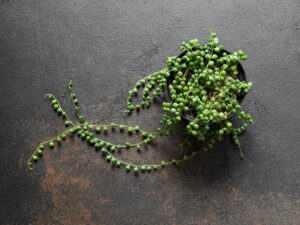
1. Underwatering: The Most Common Cause
String of Pearls stores water in its leaves — which is why they look like tiny green beads. When the plant doesn’t get enough moisture, those pearls shrivel as the plant uses up internal reserves.
If your pearls are soft, wrinkled, and losing turgor, try:
-
Watering more frequently (but still sparingly)
-
Checking soil moisture before watering
The goal is consistent light moisture without waterlogging the roots.
2. Overwatering and Root Rot
Ironically, overwatering can also cause shriveling — because damaged roots can’t take up water properly. If your pearls are mushy, yellowed, or falling off easily, overwatering may be the culprit.
To prevent this:
-
Ensure your pot has drainage holes
-
Use a gritty, well‑draining succulent mix
-
Allow the top soil to dry before watering again
If you suspect root rot, gently lift the plant and inspect the roots — healthy roots should be firm and white, while rotten ones are dark and mushy.
For more in‑depth tips on balancing water and soil conditions, explore the full String of Pearls Care Guide.
3. Light Conditions Matter
String of Pearls loves bright light but not scorching direct afternoon sun. Too little light leads to weak growth, elongation, and leaf loss; too much intense sun can scorch the leaves, triggering stress responses like shriveling.
Try placing your plant:
-
Near a south or east‑facing window
-
With morning sun and afternoon shade
-
Under grow lights if natural light is limited
4. Temperature and Humidity Stress
This succulent prefers warm temperatures and lower humidity — similar to its native environment. Cold drafts or humid conditions can stress the plant and cause pearls to shrivel.
Keep your plant in a stable environment that avoids:
-
Drafty windows or doors
-
Sudden temperature swings
-
Excessive humidity (like bathrooms)
5. Fertilizing Tips
While String of Pearls doesn’t need heavy fertilization, a light feeding during the growing season can support healthy growth. Use a diluted, balanced succulent fertilizer about once a month in spring and summer.
Avoid feeding in winter, as the plant enters dormancy and can’t use extra nutrients.
Final Thoughts
Shriveling in your String of Pearls isn’t a mystery — it’s a clear message about how the plant is responding to its environment. With the right adjustments to watering, light, and soil conditions, your trailing succulent can recover and thrive again.
If you want a full troubleshooting checklist and step‑by‑step care routine to get your plant back to plump, healthy pearls, be sure to read the complete String of Pearls Care Guide.